Grab your coffee. Here are this week’s highlights.
🤝 COLLABORATION
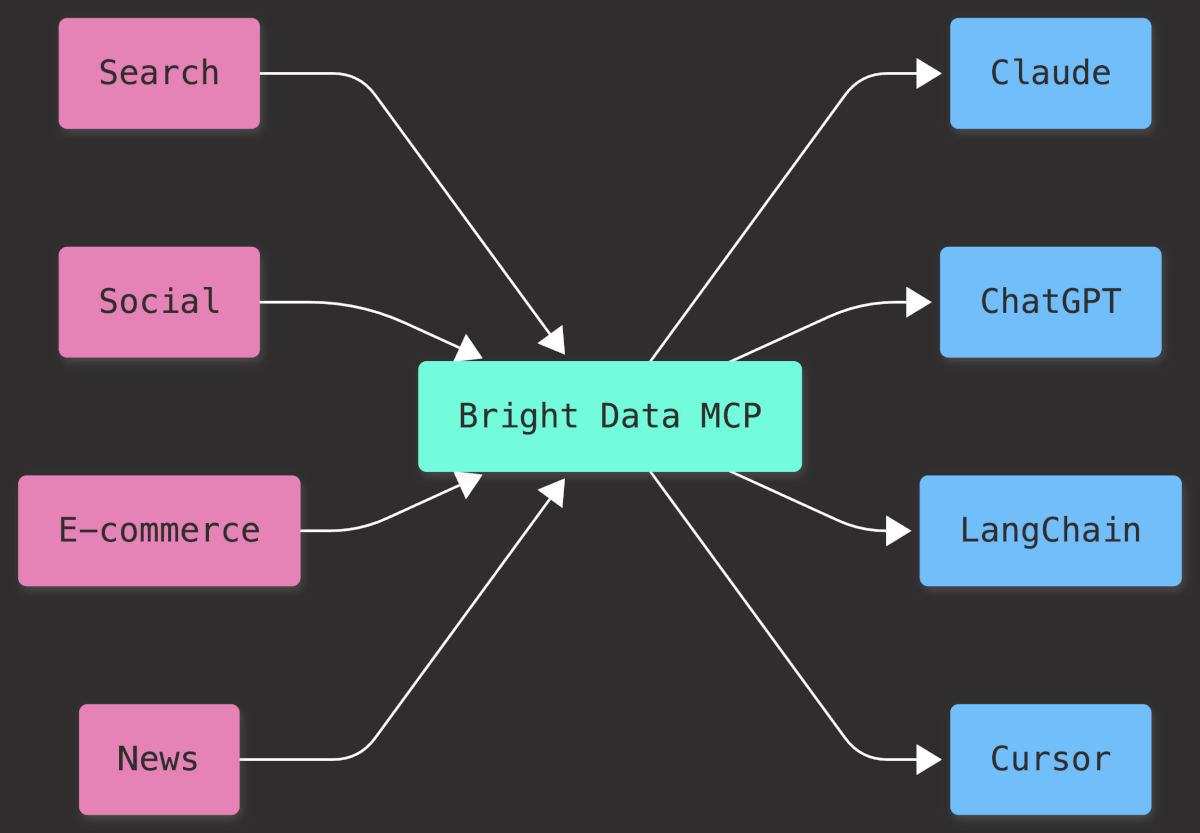
Give Your AI Agent Live Web Access with Bright Data MCP
With basic search APIs, agents often miss critical context from sources like social platforms, forums, news, and answer engines. That leads to incomplete or outdated responses.
Bright Data’s MCP server unifies all web data access into one interface your AI agent can use directly.
With Bright Data MCP, your AI agent can access:
- Search engines (Google, Bing, more)
- Social media (Twitter/X, Reddit, Instagram, TikTok)
- Web archives (historical web data, years deep)
- Answer engines (ChatGPT, Perplexity, Gemini)
All through one connection.
📅 Today’s Picks
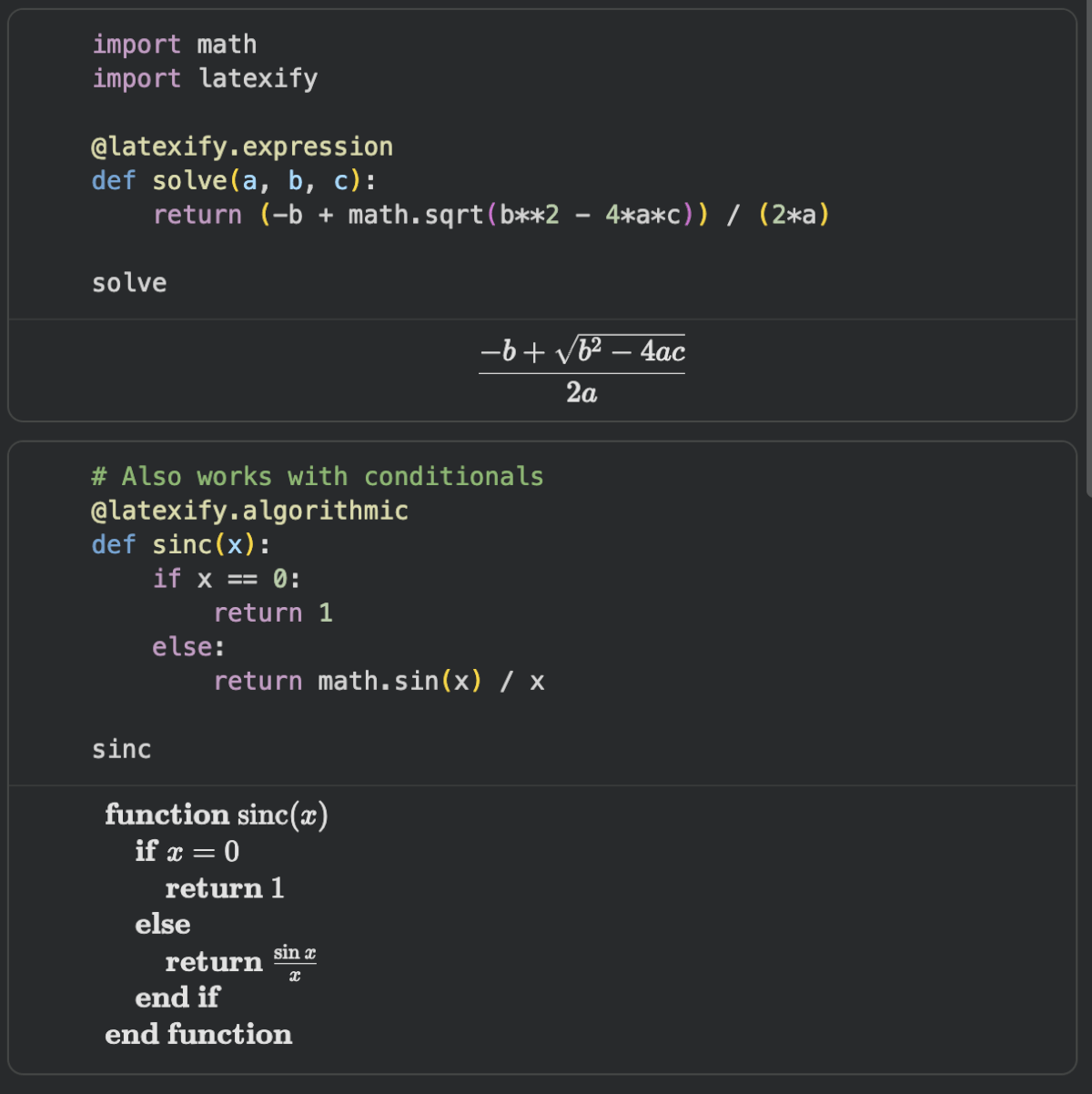
latexify_py: Turn Python Functions into LaTeX with One Decorator
Problem
Non-programmers cannot easily read Python logic. However, manually converting it to LaTeX is slow and quickly becomes outdated as the code changes.
Solution
latexify_py solves this with a single decorator, generating LaTeX directly from your function so the math stays readable and always in sync with the code.
Key capabilities:
- Three decorators for different outputs: expressions, full equations, or pseudocode
- Displays rendered LaTeX directly in Jupyter cells
- Functions still work normally when called
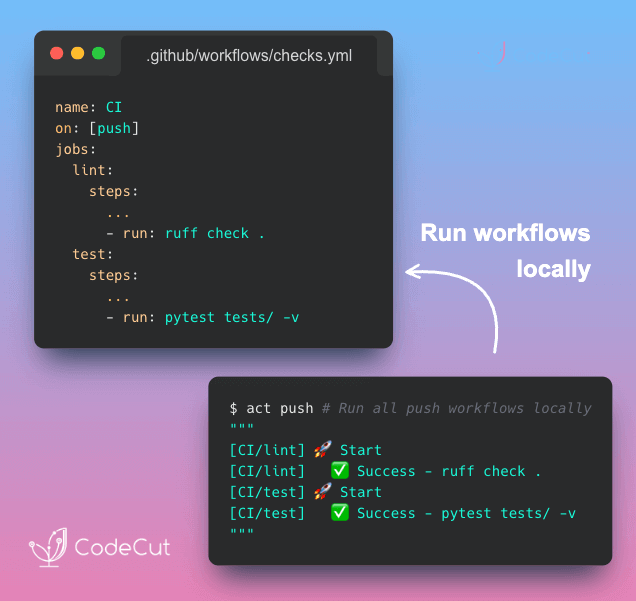
act: Run GitHub Actions Locally with Docker
Problem
GitHub Actions has no local execution mode. You can’t test a step, inspect an environment variable, or reproduce a runner-specific failure on your own machine.
Each change requires a commit and a wait for the cloud runner. A small mistake like a missing secret means starting the loop again.
Solution
With act, you can execute workflows locally using Docker. Failures surface immediately, making it easier to iterate and commit only when the workflow passes.
📚 Latest Deep Dives
How to Test GitHub Actions Locally with act
Debugging GitHub Actions is painfully slow. Every YAML change requires a commit, a push, and a 2-5 minute wait just to find out you missed a colon.
This article introduces act, a CLI tool that runs GitHub Actions workflows locally in Docker containers.
You’ll set up an ML testing pipeline and learn to pass secrets, run specific jobs, and validate workflows in seconds.
☕️ Weekly Finds
json_repair [LLM] – A Python module to repair invalid JSON, especially from LLM outputs, with schema validation support
pyrsistent [Python Utilities] – Persistent, immutable, and functional data structures for Python
prek [Code Quality] – A faster, Rust-based reimagining of pre-commit with monorepo support and parallel hook execution
Looking for a specific tool? Explore 70+ Python tools →
Stay Current with CodeCut
Actionable Python tips, curated for busy data pros. Skim in under 2 minutes, three times a week.